
Benefits of gardening, autumn tips to focus on

By: Betty Hendriks
A friend recently sent me a lovely verse about why gardening is good for us.
Besides providing fresh, organic food that helps us eat healthier, there are additional benefits such as saving money and not adding packaging to the recycling bin.
Gardening keeps our hands and backs busy, providing us with the physical benefits of keeping our muscles and bones strong.
When we are alone on our knees weeding or planting, we can relax. By focusing on the details necessary for these tasks, we improve our concentration. Caring for your garden can be gratifying and purposeful.
With gardening, you have the future in mind by growing something green, real, alive. It is a hopeful thing to do. This form of nurturing allows us the time and space to truly feel peace, pride and satisfaction.
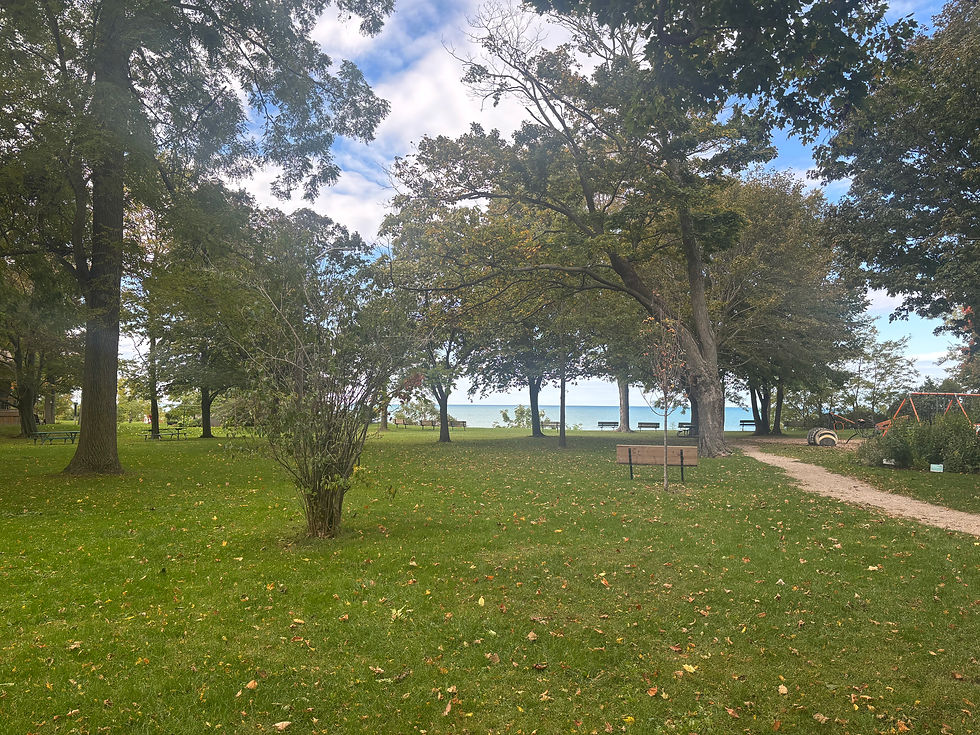
In Japan, there is a growing trend called, “forest bathing,” where people immerse themselves in the outdoors to refresh, unwind and boost their concentration.
Studies have shown that forest bathing forces people to disconnect from their distractions and become more mindful of their immediate surroundings.
Working in your garden also provides Vitamin D, thanks to time in the sun, which helps to build and maintain strong bones.
Getting your hands dirty can improve your mental well-being. Scientists have discovered that the mycobacterium found in soils can improve brain function while boosting moods.
The mycobacterium found in soils increases serotonin produced in the brain.
Serotonin is also known as a happy chemical. Stress levels can also go down in a calm, green environment. Gardening routines like watering and weeding can give you joy.
These tasks can create a soothing rhythm to reduce stress. If you do not have a garden or a yard, you can investigate joining a community garden group where you live.
This is a great way to learn about gardening if you are new to growing and caring for plants as well as an opportunity to socialize with others.
Some items should be planted in the autumn months.
Garlic is planted in the fall so that it can be harvested in July. You can prepare your soil by adding two inches of compost and working it in with a shovel or garden fork.
Compost will add nutrients and organisms that are important to your soil’s ecosystem. It also helps to retain moisture if your soil is sandy.
Break the cloves off the garlic bulb and plant them in a hole that is three to four times as deep as the length of the clove, with the pointy end up.
Leave many layers of skin on the clove. The prolonged cold of winter prompts the clove to break open after a period of dormancy so that it will grow in the spring.
Garlic doesn’t take up a lot of room so you can plant the rows 10 to 12 inches apart. Garlic is a good companion plant to most vegetables except peas, asparagus, beans, sage and strawberries. It is a natural pest and fungus deterrent. Some people believe that garlic also keeps bunnies and deer out of your garden.
Purchase seed garlic. Do not use garlic that has been purchased from the produce department of your grocery store.
If you use the supermarket variety, you run the risk of infecting your garden with foreign-based diseases.
Plant garlic that is from stock produced in your growing zone which will be better acclimatized than bulbs ordered from out of province. Lots of mulch is recommended for the winter.
A few inches of weed free straw will lessen the damage of sudden temperature changes. You can leave the straw in place in the spring. The garlic will grow through the straw.
Garlic should be rotated to another area of your garden every three years to prevent soil fungus and bacteria that cause disease from building up in the soil.
If you want garlic scapes, buy a Hardneck variety of garlic. Scapes can be harvested in the spring when they have curled twice and before they straighten up. If they are left on the plant, the bulb will be smaller.
Scapes can be cut up like chives and added to almost any dish that you would typically add garlic to. The cut-up scapes can be kept in your freezer for several months.
Betty Hendriks is the President of the Goderich District Horticultural Society (GDHS)

Comments