
Upcoming ‘story walk’ promotes connecting with nature in Northumberland
By West Northumberland Independent staff
Kids and adults alike are being invited to take part in an upcoming Indigenous “story walk” and tree-planting activity in the Northumberland County Forest.
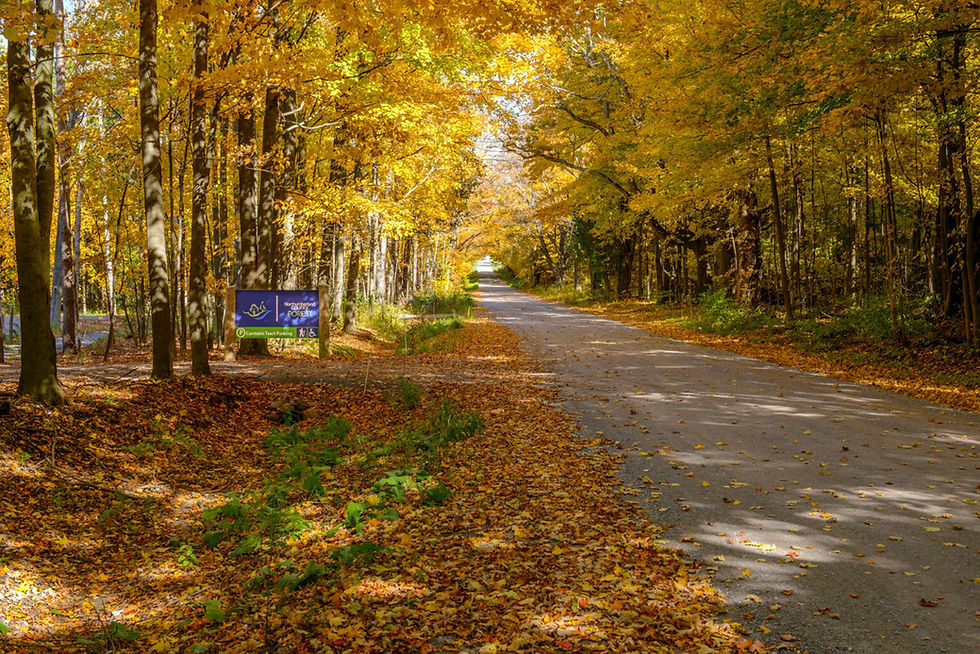
Presented with support from TD Friends of the Environment Foundation, and in partnership with Alderville First Nation, Dnaagdawenmag Binnoojiiyag Child and Family Services and EarlyON Child and Family Centres, the story walk and restoration planting event takes place on Thursday, Oct. 8 at Carstairs Trailhead.
Organizers said the event offers “a unique opportunity for families to connect with nature, learn through Indigenous storytelling, and contribute to environmental stewardship through hands-on tree and native plant planting activities.”
The event is designed to encourage kids and caregivers to explore the forest together while learning about Indigenous perspectives on the land, the importance of healthy ecosystems and the role everyone can play in protecting and restoring natural spaces for future generations, according to a recent release.
“Participants will enjoy an interactive story walk featuring Indigenous teachings and themes of environmental responsibility, followed by a restoration planting activity that will help enhance habitat and biodiversity within the Northumberland County Forest.”
Representatives from Alderville First Nation will share Indigenous knowledge and teachings that highlight the relationship between people and the land, while EarlyON staff will help provide engaging, family-friendly activities that support early learning and outdoor exploration, according to the release.
The free event runs from 10 a.m. until noon.
Families are encouraged to dress for outdoor conditions and wear appropriate footwear. All planting materials and activity supplies will be provided.
To register, visit https://www.keyon.ca/calendar.



Pairing Indigenous storytelling with hands-on planting seems like a smart way to make environmental lessons stick, since kids remember what they physically do rather than just hear. I'm curious how organizers balance traditional teachings with the practical restoration goals, and whether the plantings are monitored afterward so families can see the habitat they helped create actually mature over time.
Useful reference: https://slayer2.org/
What a fantastic event! It's wonderful to see the combination of Indigenous storytelling with hands-on tree and plant planting, providing such a unique opportunity for families to connect with nature. Encouraging children to learn about environmental responsibility in such an interactive way is invaluable, teaching them how a natural area thrives when a slope unblocked path allows for healthy growth and biodiversity. 😊